
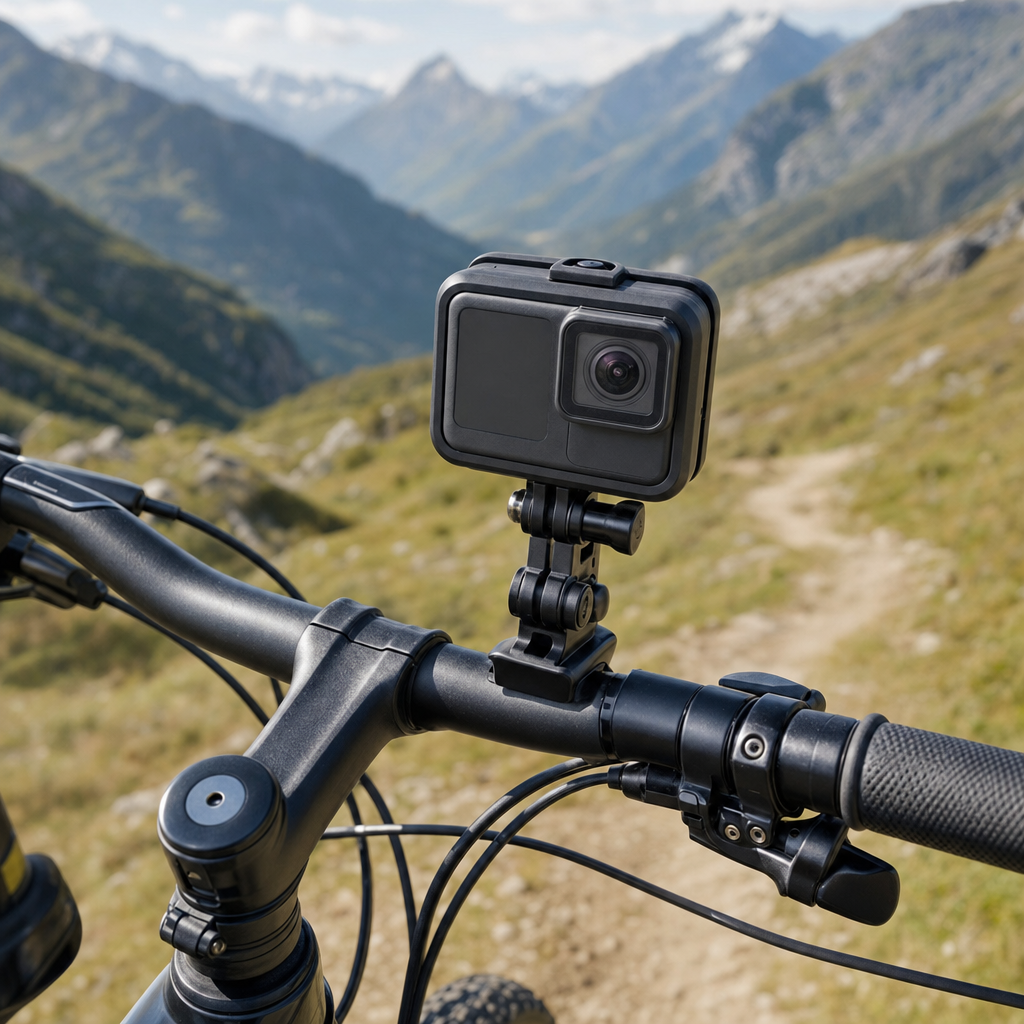
Understanding the Evolution of Action Cameras
The quest for the best action camera often begins with understanding how far these compact digital recording devices have advanced over the past decade. Originally designed primarily for extreme sports enthusiasts who wanted to strap a rugged lens to a helmet, surfboards, or handlebars, modern models have evolved into versatile multimedia powerhouses. Today, everyday travelers, vloggers, family historians, and content creators rely on these pocket-sized gadgets because they deliver stunning optical performance that rivals traditional camcorders. Manufacturers have managed to pack professional-grade sensors, advanced microprocessors, and sophisticated stabilization algorithms into casings that weigh mere ounces and easily resist dust, shock, and water.
When evaluating what makes a particular model stand out in a crowded market, industry experts generally look at a combination of optical clarity, build quality, battery efficiency, and ease of use. The best action camera for one person might prioritize cinematic 4K or 8K resolution, while another user might care more about horizon-leveling stabilization or seamless smartphone integration for instant social sharing. Because these devices are built for mobility, their physical durability is just as important as their internal software capabilities. Understanding your personal filming style—whether you are scuba diving fifty feet underwater, mountain biking down rugged trails, or simply documenting a family vacation—is the first step toward identifying the right technological fit for your creative journey.
Key Features to Evaluate Before Making a Choice
Navigating technical specifications can quickly become overwhelming, but focusing on a few core capabilities will simplify your research. Image stabilization is arguably the most critical feature to examine, as it transforms shaky, dizzying footage into smooth, cinematic sweeps reminiscent of professional camera gimbals. Modern electronic stabilization uses internal gyroscopes and advanced processing power to predict and correct movement in real time. Another crucial consideration is frame rate performance, which determines how well a device handles fast motion and whether you can achieve dramatic slow-motion effects. Higher frame rates, such as 120 or 240 frames per second at high resolutions, allow you to slow down split-second actions like a crashing wave or a skateboard trick without losing fine detail or suffering from motion blur.
Field of view and low-light performance also demand careful attention during your evaluation process. Many traditional action units feature ultra-wide lenses that capture expansive vistas, but this wide perspective can introduce fisheye distortion that bends straight lines at the edges of the frame. Newer models offer interchangeable digital lenses or linear modes that correct this optical distortion internally. Meanwhile, sensor size directly impacts how well the device handles challenging lighting conditions, such as deep shadows, sunsets, or indoor settings. While smaller sensors traditionally struggled in dim light, recent technological breakthroughs in backside-illuminated sensors and dedicated processing chips have significantly improved low-light video clarity and reduced unwanted digital noise in dark environments.
Here are the primary technical specifications you should compare when researching top-tier recording devices:
- Maximum video resolution and available frame rates for smooth slow-motion playback.
- Level of electronic image stabilization and horizon-leveling capabilities.
- Native waterproof depth rating without requiring an external protective housing.
- Battery capacity, thermal management, and performance in freezing temperatures.
- Audio recording quality, wind-noise reduction, and external microphone support.
Durability, Mounting Systems, and Accessory Ecosystems
Physical resilience is a hallmark of any competitive action camera, distinguishing fragile consumer electronics from tools built for extreme environments. These devices are engineered to withstand accidental drops onto hard rock, submersion in saltwater, freezing mountain temperatures, and baking desert heat. Most premier models feature robust rubberized bodies and scratch-resistant gorilla glass over the lens and touchscreen elements, ensuring that minor impacts do not ruin your equipment. Furthermore, many modern units achieve substantial waterproof ratings straight out of the box, letting users dive several feet beneath the surface without needing bulky external plastic cases that can trap moisture, muffle sound, or reduce touchscreen sensitivity.
Equally important to the camera body itself is the ecosystem of mounts and accessories available for securing the device to various surfaces and objects. The versatility of an action camera relies heavily on its mounting system, which allows you to attach the unit to helmets, chests, surfboards, car hoods, pets, and trekking poles with absolute confidence. Magnetic quick-release mounts have become increasingly popular, enabling users to swap setups in seconds without fumbling with traditional thumbscrews. When investing in these ecosystems, consider third-party compatibility as well, because universal mounting fingers and adapters ensure that you can mix and match gear across different brands and specialized filming scenarios.
Software Integration, Editing, and User Interface
Hardware specifications tell only half the story; the accompanying software and user interface significantly influence your day-to-day filming experience. A poorly designed menu system can cause you to miss fleeting moments while you fiddle with settings on a tiny touchscreen. The best devices offer intuitive, responsive touch interfaces with customizable shortcut buttons and voice control features. Voice commands are particularly useful when your hands are occupied holding ski poles, steering handlebars, or adjusting climbing gear, allowing you to start recording or capture still photos simply by speaking predefined phrases into the built-in microphones.
Beyond on-device controls, companion smartphone apps play an essential role in modern media workflows. These applications allow you to preview live shots from a distance, change advanced settings remotely, and download footage wirelessly to your phone for quick editing and uploading. Many manufacturers also provide desktop and mobile editing suites equipped with AI-powered highlight finders that automatically scan your raw footage, sync clips to music beats, and generate polished highlight reels in a matter of minutes. This streamlining of the post-production process makes content creation accessible even to users who lack formal video editing experience.
Practical Guidance for Getting the Most Out of Your Gear
Maximizing the performance of your recording equipment requires adopting smart filming habits and understanding technical limitations. Battery management is one of the most common challenges for mobile creators, especially when shooting in high-resolution modes like 4K at 60fps or higher, which generate substantial heat and drain power rapidly. Carrying multiple spare batteries in a secure, weather-resistant case ensures you never miss a critical moment. Additionally, using high-speed, reputable microSD cards specified for high-bitrate video writing prevents corrupted files, stuttering playback, and unexpected camera crashes during intense recording sessions.
Composition and lighting also demand thoughtful consideration when working with wide-angle lenses. Because these lenses capture a massive field of view, subjects can easily appear smaller or further away than they actually felt in the moment. Getting physically closer to your subject and experimenting with unique mounting angles—such as low-to-the-ground perspectives or chest mounts—adds dramatic depth and immersion to your videos. Finally, remember to clean your lens elements regularly with a microfiber cloth to remove dust spots, water droplets, and fingerprints that can refract sunlight and permanently ruin an otherwise pristine cinematic sequence.
Frequently Asked Questions
Do I need an external waterproof housing for diving?
Most modern action cameras are waterproof natively down to depths of 33 feet (10 meters). However, if you plan on deep-water scuba diving, investing in a dedicated rated housing is strongly recommended to protect against high water pressure.
Why does my camera overheat during long recording sessions?
High-resolution recording, high frame rates, and high bitrates push tiny processors to their limits, generating significant heat. This is normal for compact devices, especially when recording stationary 4K video without airflow.
What type of memory card should I purchase?
You should use high-speed microSD cards rated V30, A2, or UHS-3 from reputable brands. These cards possess the necessary write speeds to handle large video files without dropping frames or corrupting data.
Can action cameras replace traditional DSLR or mirrorless cameras?
While action cameras offer incredible video stabilization and durability, they feature small physical sensors and fixed ultra-wide lenses. They cannot match the shallow depth of field or low-light versatility of larger interchangeable-lens cameras.
Article Was Generated By AI.