
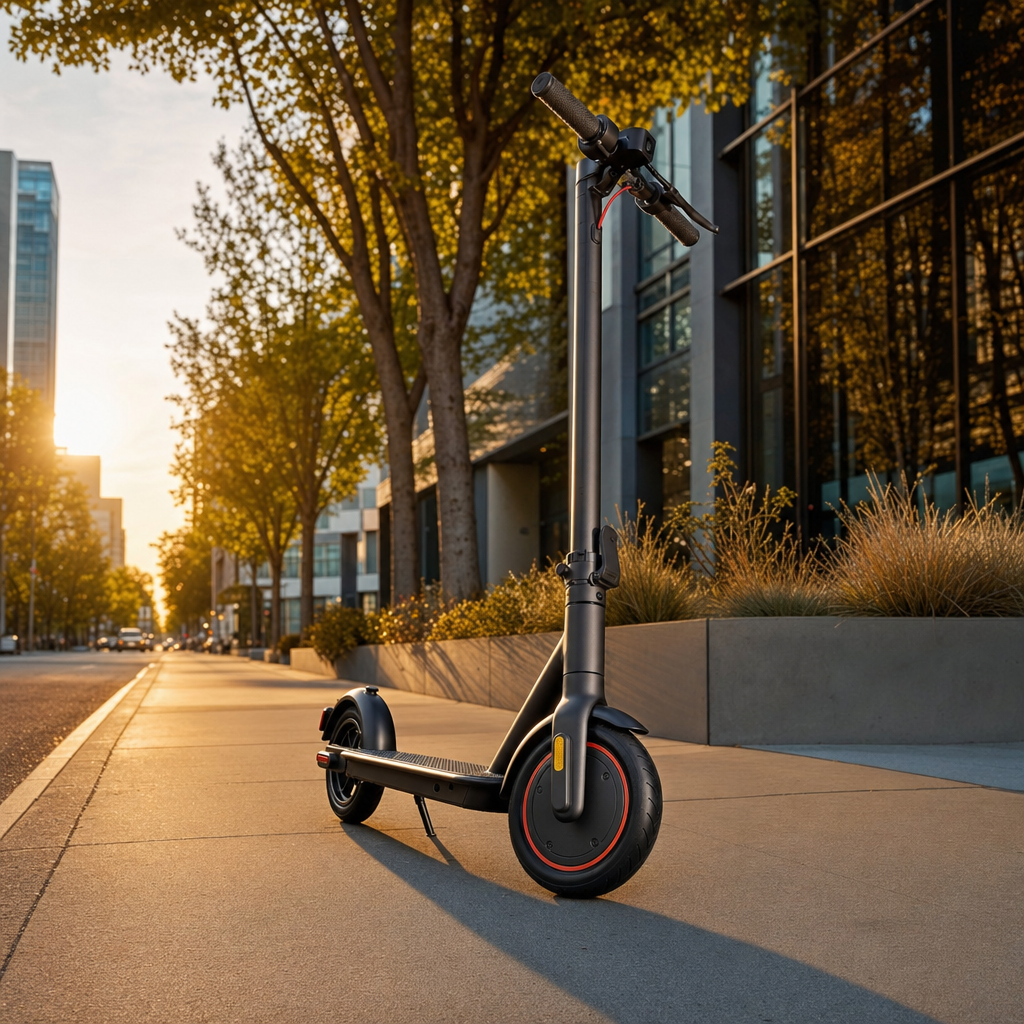
Understanding the Modern Electric Scooter Landscape
The market for personal electric mobility has expanded dramatically over recent years, transforming how urban commuters and recreational riders navigate their surroundings. When searching for the best electric scooter, prospective buyers are often overwhelmed by the sheer variety of options available, ranging from ultra-lightweight portable models designed for last-mile transit to heavy-duty off-road machines capable of tackling steep inclines. Understanding this landscape begins with recognizing that no single device fits every user profile; instead, the ideal choice depends heavily on individual lifestyle requirements, typical daily travel distances, and local infrastructure conditions.
Manufacturers have continuously refined their engineering approaches, leading to significant improvements in battery efficiency, motor power, and overall build durability. Entry-level models typically prioritize portability and affordability, making them popular among college students and short-distance commuters who need to carry their devices up flights of stairs or onto crowded public transportation. On the other hand, premium models incorporate advanced suspension systems, pneumatic tires, and high-capacity lithium-ion batteries that provide extended ranges, ensuring that riders can complete longer journeys without constantly worrying about recharging mid-trip.
Key Specifications and Performance Metrics to Evaluate
Evaluating technical specifications is a critical step in determining which electric scooter aligns with your practical needs. Motor wattage dictates how well a device can accelerate and climb hills, with standard commuting scooters usually featuring motors between 250 and 500 watts, while high-performance variants can exceed 1000 watts. Battery capacity, measured in watt-hours or amp-hours, directly influences the maximum travel distance per charge, though real-world range is often affected by rider weight, terrain steepness, and ambient temperature conditions during operation.
Tire design represents another vital consideration that directly impacts ride quality and safety. Solid rubber tires are completely puncture-proof, eliminating the frustration of flat tires, but they tend to transmit more vibrations from bumpy road surfaces directly to the rider. Conversely, pneumatic air-filled tires offer a much smoother and more cushioned riding experience by absorbing minor road imperfections, though they require routine pressure checks and carry a minor risk of punctures if ridden over sharp debris or deep potholes.
- Motor Power: Higher wattage provides better acceleration and hill-climbing capabilities.
- Battery Range: Consider your daily round-trip mileage and add a safety buffer.
- Weight Capacity: Ensure the frame supports your body weight plus any carried gear.
- Portability: Check the folding mechanism and total weight if you need to carry it often.
Safety Equipment and Defensive Riding Practices
Operating an electric scooter safely requires both proper protective gear and a disciplined approach to situational awareness. Because these devices can achieve speeds ranging from fifteen to thirty miles per hour, wearing a certified bicycle or multi-sport helmet is non-negotiable for preventing severe head injuries in the event of a fall or collision. Additionally, riders frequently invest in supplementary gear such as knee pads, elbow pads, and high-visibility reflective clothing, particularly if they plan to commute during early morning hours or after sunset when visibility for motorists is significantly reduced.
Defensive riding techniques are equally essential for navigating shared urban roadways and pedestrian pathways without incident. Riders should anticipate sudden movements from pedestrians, car doors opening unexpectedly, and drivers failing to yield at intersections. Maintaining a predictable trajectory, utilizing hand signals when turning if the scooter lacks integrated turn indicators, and keeping both hands firmly on the handlebars at all times will drastically reduce the likelihood of losing control over unexpected obstacles or slick pavement surfaces.
Routine Maintenance and Longevity Management
Proper maintenance routines ensure that an electric scooter remains reliable and safe throughout years of continuous usage. Regular inspections should focus on tightening hinge bolts, checking brake responsiveness, and monitoring tire tread wear to prevent unexpected mechanical failures while traveling at high speeds. Because vibration from regular road use can gradually loosen screws and structural joints, spending a few minutes every month inspecting the frame with standard hex wrenches can save riders from costly repairs and hazardous structural malfunctions down the line.
Battery care is perhaps the single most important factor in preserving the long-term utility of an electric micro-mobility device. Lithium-ion batteries degrade over time, but their lifespan can be maximized by avoiding extreme temperatures, preventing the battery from draining completely to zero percent on a regular basis, and storing the scooter in a climate-controlled environment during extended periods of non-use. Following the manufacturer guidelines regarding charging cycles will maintain optimal energy retention and prevent premature degradation of the internal power cells.
Navigating Local Legal Frameworks and Regulations
Before operating an electric scooter in public spaces, riders must thoroughly familiarize themselves with local municipal codes and regional traffic laws. Regulations vary widely from one city to another, with some jurisdictions permitting scooters on sidewalks, while others strictly mandate that riders use designated bicycle lanes or share the regular vehicular roadway with cars and buses. Furthermore, many local governments enforce strict speed limits within pedestrian-heavy zones or prohibit motorized personal vehicles entirely in specific public parks and plazas.
Licensing, registration, and age restrictions also play a major role in determining where and how these vehicles can be legally operated. Certain states or municipalities require riders to be at least sixteen years old, while others may mandate the use of integrated front and rear lights during low-light conditions. Staying informed about evolving legislative updates ensures that riders can enjoy their commute with confidence, avoiding potential fines, ticket citations, or conflicts with local law enforcement officers and pedestrians.
Frequently Asked Questions
How fast do typical commuter electric scooters travel?
Most standard commuter electric scooters reach maximum speeds between fifteen and twenty-five miles per hour, which is ideal for efficient urban travel while maintaining manageable control over the vehicle.
Can electric scooters be ridden safely in the rain?
Many models feature water-resistance ratings such as IPX4 or higher, meaning they can handle light splashes and drizzle. However, heavy downpours should be avoided to prevent internal electrical damage.
How long does a standard battery take to fully charge?
Depending on the battery capacity and charger output, a complete recharge typically takes anywhere from three to eight hours, with many users opting to charge their devices overnight.
Are electric scooters difficult for beginners to learn to ride?
They are generally very intuitive and easy to learn within a few minutes. Most models feature multiple speed modes, allowing beginners to practice at slower speeds in open, safe areas first.
Article Was Generated By AI.